Tell us about the job
Takes about a minute. No obligation.
A furnace repair in Dearborn County starts with what the system has been through, and severe weather is part of that picture, though rarely the whole one. 87 severe weather events were recorded in Dearborn County, Indiana between 2015 and 2024. At that rate, a furnace here carries a real weather load over its lifetime, but storms alone seldom account for why a heat exchanger cracks or a control board fails. A contractor will check for corrosion, wear patterns, and service gaps before pointing at storm stress. Age and maintenance almost always explain more.
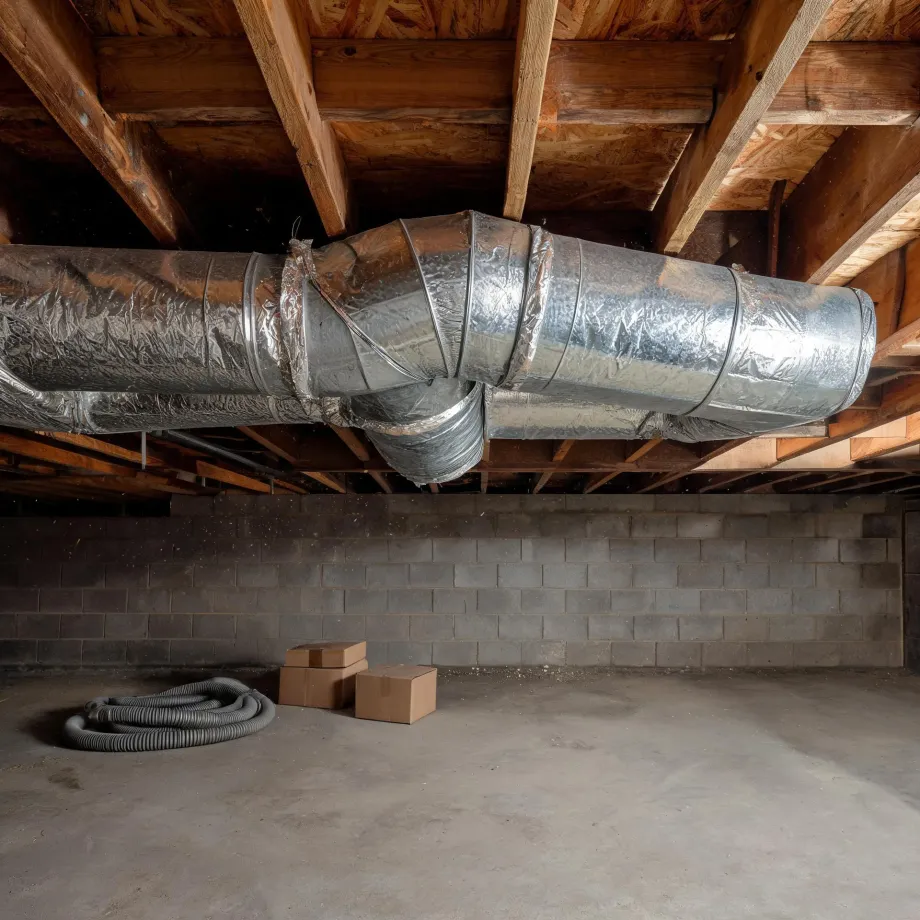
Furnaces in housing this old tend to fail in a particular order. Half the homes in Dearborn County, Indiana were built in 1982 or earlier (2020-2024 ACS 5-year). That means contractors opening equipment here find heat exchangers and ignitors at or past their service limit more often than they find failed controls or wiring, because the combustion side of the system absorbs the punishment of repeated heating cycles before the electronics do. A quote that does not account for the condition of those components when the unit comes apart is a quote that changes once the work starts.
The Parts of a Furnace a Contractor Checks First
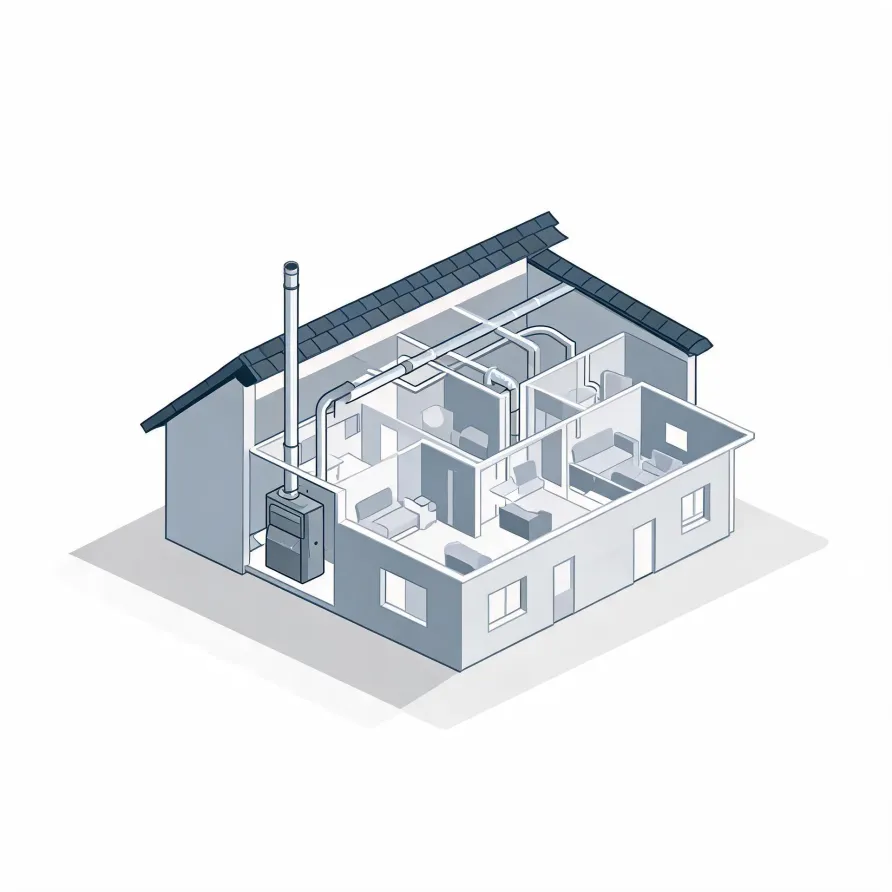
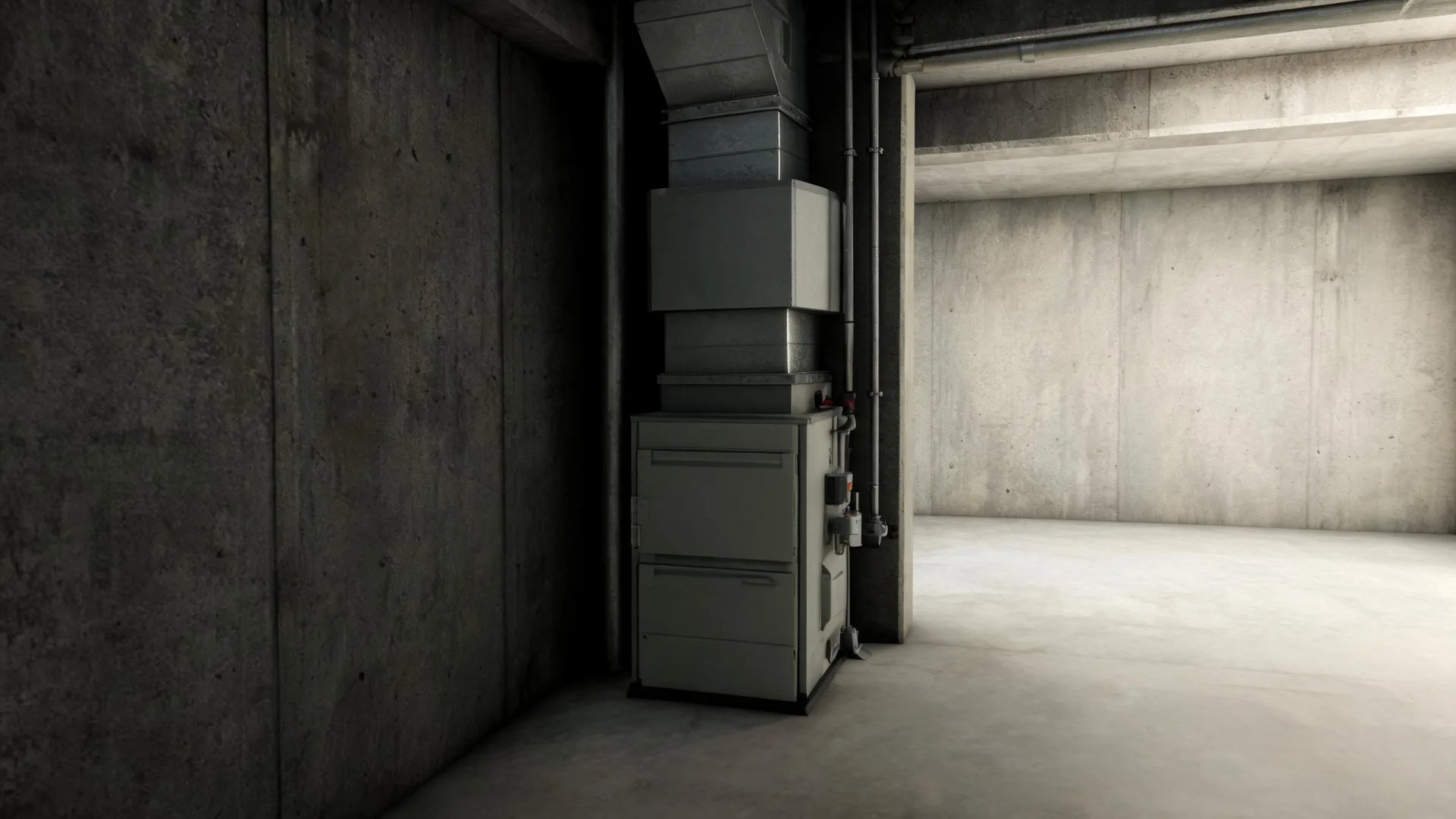
The heat exchanger sits at the core of the furnace cabinet in your basement or utility room, and it is the part that warms the air before it moves through the house. Cracks or failures here are serious. The burners feed it directly, and a contractor will examine both early, since most heating failures trace back to one or the other.
The blower motor pushes conditioned air out through the supply plenum and into your ducts. It runs on a control board that also manages ignition timing and safety shutoffs. When a furnace short-cycles, runs without producing heat, or fails to start, the board and the motor are among the first places a contractor looks.
The drawing shows a typical furnace layout, and a licensed contractor determines exactly which components apply to the system in your home.
Get matched in Dearborn CountyDearborn County, Indiana, by the numbers
87 severe weather events were recorded in Dearborn County, Indiana between 2015 and 2024.
NOAA National Centers for Environmental Information, Storm Events Database, bulk CSV export, events 2015-01-01 through 2024-12-31.Half the homes in Dearborn County, Indiana were built in 1982 or earlier (2020-2024 ACS 5-year).
U.S. Census Bureau, 2020-2024 American Community Survey 5-Year EstimatesDearborn County, Indiana holds 21,098 housing units (2020-2024 ACS 5-year).
U.S. Census Bureau, 2020-2024 American Community Survey 5-Year EstimatesOwners occupy 85.2% of the occupied homes in Dearborn County, Indiana (2020-2024 ACS 5-year).
U.S. Census Bureau, 2020-2024 American Community Survey 5-Year EstimatesFurnace Repair Rules on the Books for Dearborn County, Indiana4 codes & standards
What HVAC Repair Looks Like in Dearborn County
Non-weatherized gas furnaces manufactured on or after November 19, 2015 must reach 80.0 percent AFUE.
Non-weatherized oil-fired furnaces manufactured on or after November 19, 2015 must reach 83.0 percent AFUE.
Mobile home gas furnaces manufactured on or after November 19, 2015 must reach 80.0 percent AFUE.
Non-weatherized gas furnaces manufactured on or after December 18, 2028 must reach 95.0 percent AFUE, up from the 80.0 percent minimum that applies to units manufactured before that date.
Severe Weather Events in Dearborn County
Extreme weather puts real stress on furnace components, from heat exchangers to ignition systems, and that stress accumulates over time. How hard the climate pushes on equipment here shapes what repair work looks like in Dearborn County.
87 severe weather events, 2015–2024. Source: NOAA National Centers for Environmental Information, Storm Events Database.