
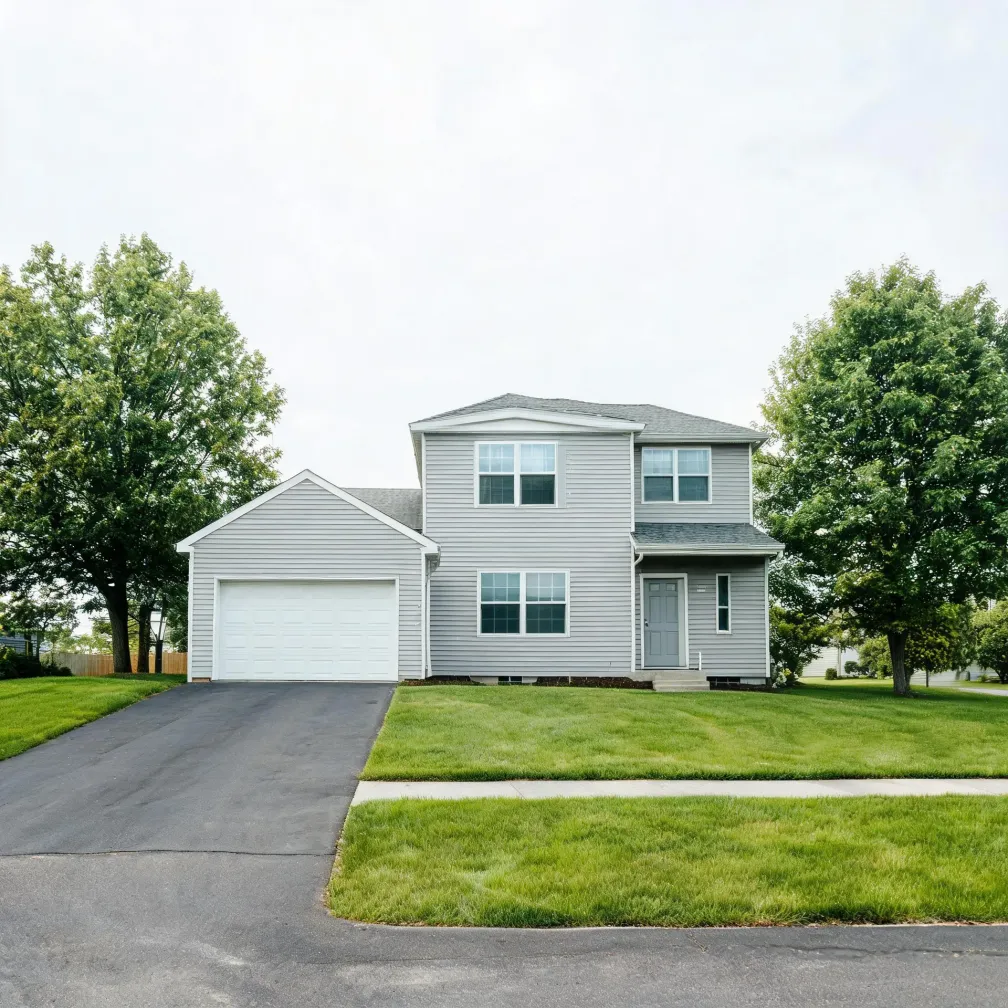
What Kentucky homes are up against.
NOAA National Centers for Environmental Information, Storm Events Database, bulk CSV export, events 2015-01-01 through 2024-12-31. · U.S. Census Bureau, 2020-2024 American Community Survey 5-Year Estimates

A burner that cycles through a long heating season accumulates wear on the parts that do the work every time it fires: the igniter, the heat exchanger, the controls. Homes in Kentucky run heat about seven months a year, from October through April. That sustained demand is a statewide condition, but what it produces inside any given house depends on how the equipment was sized and installed to begin with. A furnace that was undersized, or set up with leaky ductwork, is not hiding behind a short off-season. The load finds it every year, and the gap between a careful install and a careless one shows up sooner.
A quote for new HVAC equipment in a Kentucky home almost always depends on what the contractor finds after looking, not before. Half the homes in Kentucky were built in 1982 or earlier (2020-2024 ACS 5-year). That means the ducts already in the house, the electrical service feeding the air handler, and the connections at the unit itself all have to be checked rather than carried forward on paper. Some of what is there will work. Some will set the scope of the job. A contractor who has not opened the system cannot tell you which is which.
Does your county put extra stress on HVAC equipment in Kentucky?
2015–2024 · Source: NOAA National Centers for Environmental Information, Storm Events Database.
A county that logs a high number of severe weather events is asking more of outdoor equipment than most manufacturers assume in a baseline spec. A condenser sitting through hard freezes, driving rain, hail, and summer heat extremes wears differently than one in calmer air, and the difference shows up in sizing decisions, placement, and how the refrigerant circuit is set up. The contractor you are matched with knows what the climate where you live actually demands.
Kentucky HVAC Installation and Repair License Requirements
The rules below come directly from Kentucky's own statutes and regulations, quoted rather than paraphrased. That sourcing is what makes them useful.
Kentucky requires a licence to practise heating, ventilation and air conditioning contracting: a person may not do the work unless they have met the state licensing requirements.
A state license for this trade is what separates a contractor who is legally authorized to do the work from one who is not. Knowing that distinction matters before you send a request to anyone. The contractors this site routes to hold the license these provisions describe, and that is the filter every request passes through.
Read the source provisions1 provisions
Kentucky requires a licence to practise heating, ventilation and air conditioning contracting: a person may not do the work unless they have met the state licensing requirements.